
You’ve crafted a syllabus of anchor texts that reflect the diversity in your classroom. Now what?
Digital Media Literacy + ELA Book Lists
Over the years, as English Language Arts teachers, we have come to realize the importance of representation in literature. We have thoughtfully crafted a syllabus that reflects the diversity of our classrooms, going beyond the traditional list awash with nothing but dead white men and the narrow range of protagonists they decided to write about. We use inclusive language as we foster an open environment where students are free to voice their opinions without fear of judgement.
Now it’s time to raise the bar yet again.
Break out your class syllabus, and maybe the Social Studies’ syllabus too, to see how we can continue to create a culturally responsive classroom environment that values diversity, inclusivity, and open-mindedness as we take up media images in the classroom to “disrupt dominant meanings that reproduce binary understandings of self and other” (Watt, 2012, p. 32).
Go through your syllabus, taking note of the various demographics/topics represented. Using snippets of syllabi our ELA department has had in the past, I have something like:
- Autism (The Curious Incident Of The Dog In Night-Time by Mark Haddon)
- Physical deformities (Wonder by R.J. Palacio)
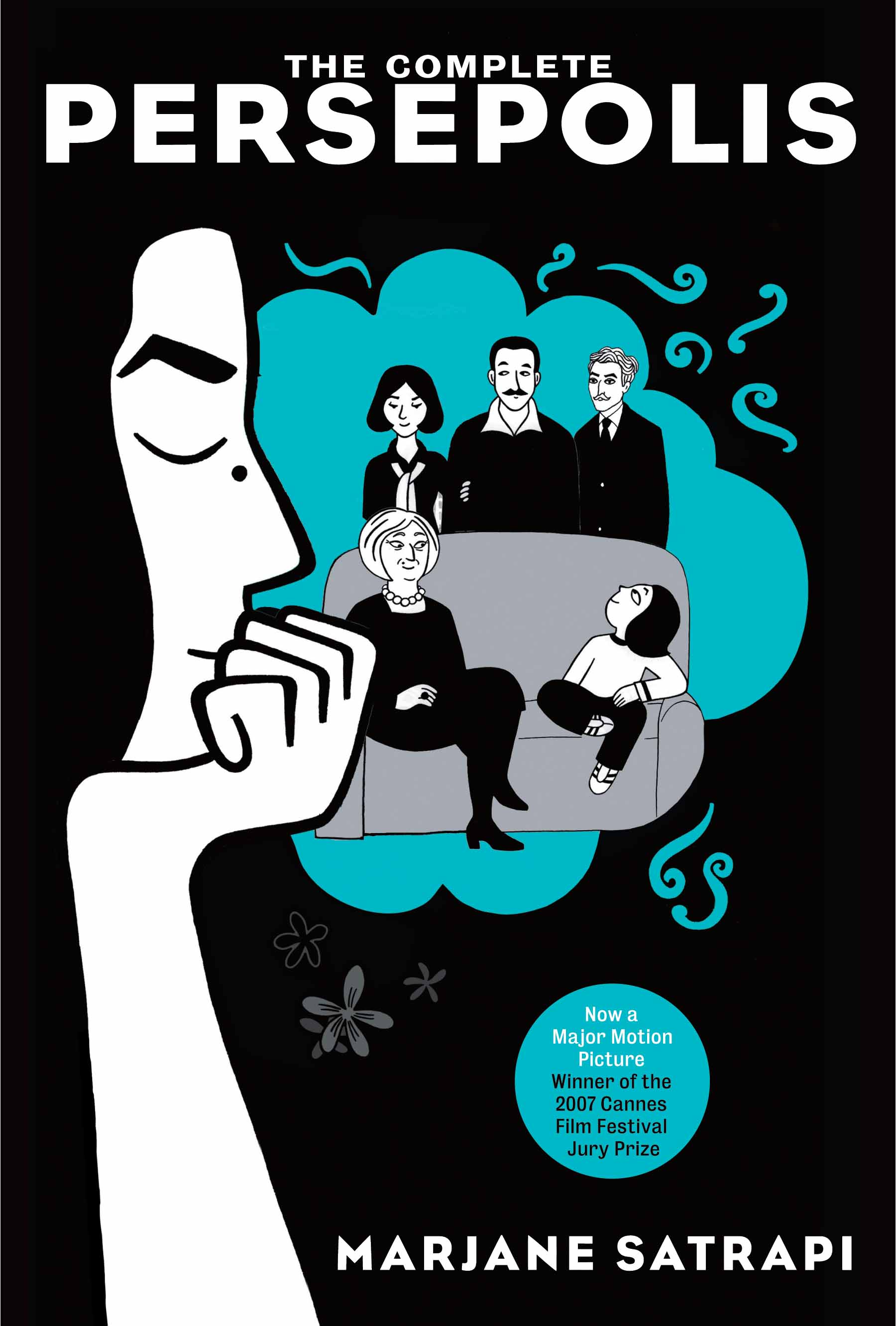
- Islam (Persepolis by Marjane Satrapi)
- American-Chinese (American Born Chinese by Gene Luen Yang)
- LGBTQ (We Are Okay by Nina LaCour)
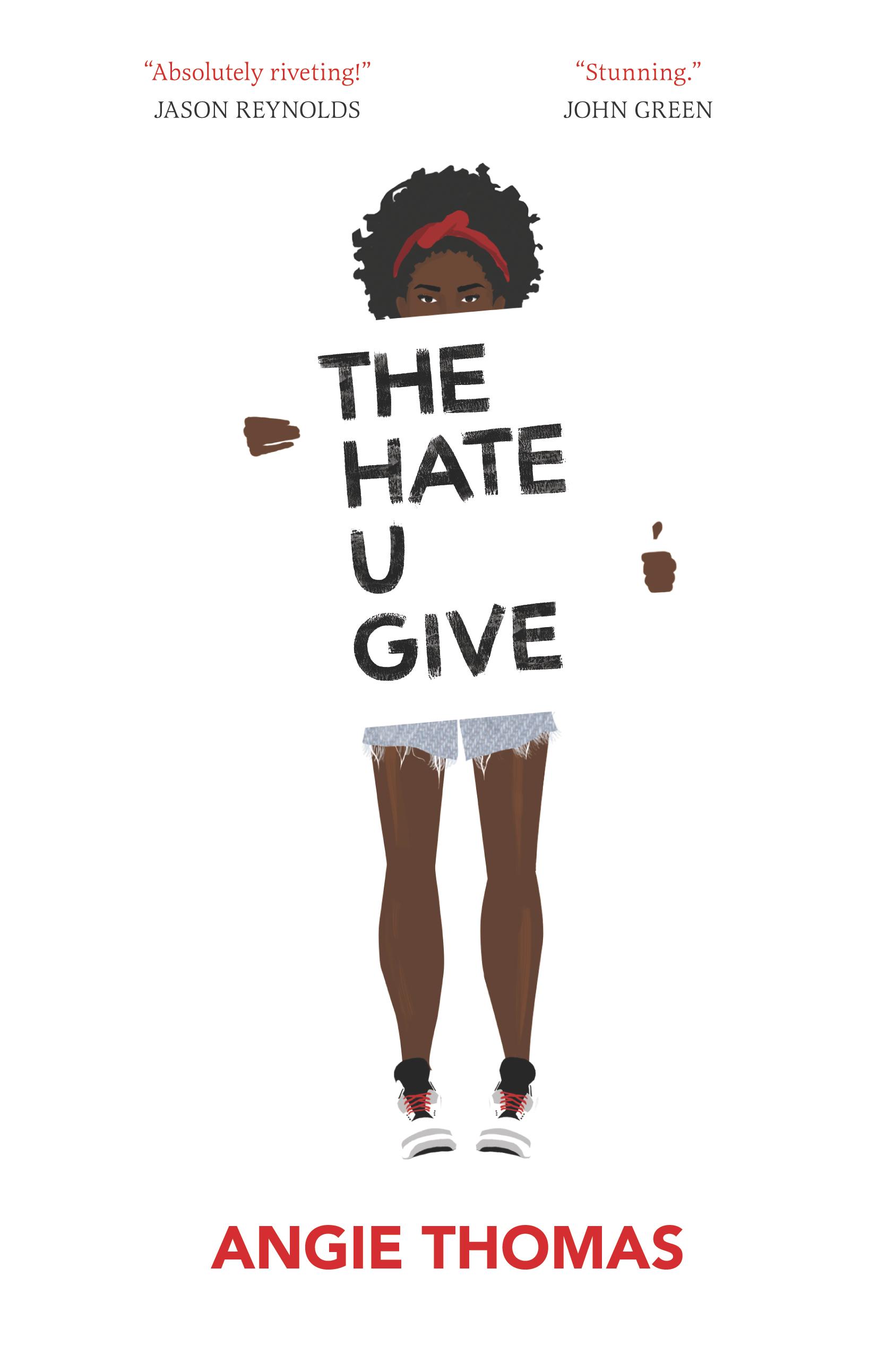
- African Americans (The Hate U Give by Angie Thomas)




Perhaps you have other demographics/topics included like:
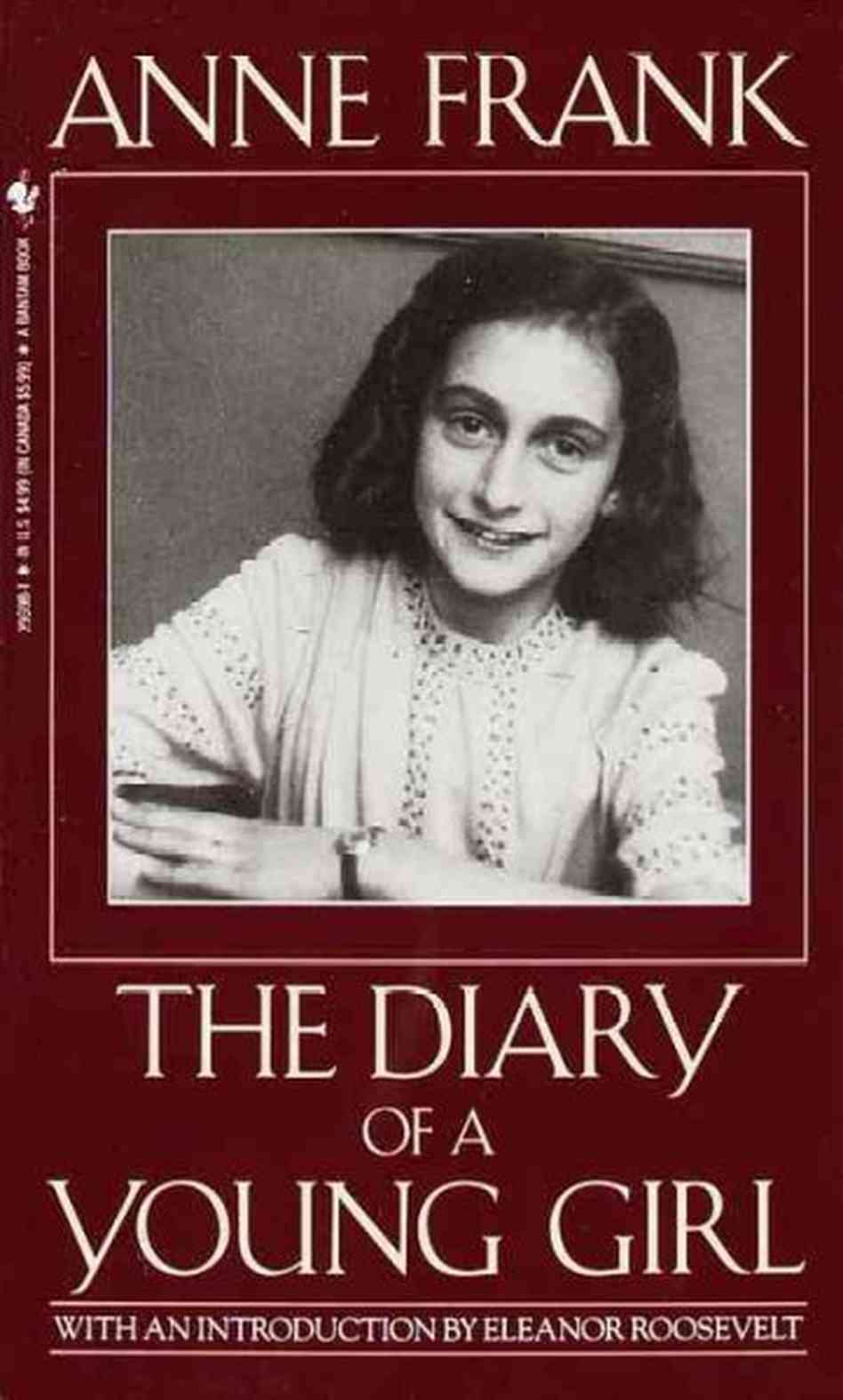
- Judaism (The Diary of a Young Girl by Anne Frank)
- Native Americans (The Absolutely True Diary of a Part-Time Indian by Sherman Alexie)
- Latinos (The House on Mango Street by Sandras Cisneros)
- Mental Illness (The Bell Jar by Sylvia Plath)
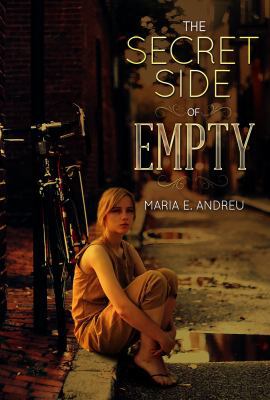
- Undocumented Immigrants (The Secret Side of Empty by Maria E. Andreu)


Now, gather images from the media that reflect those demographics, opening a conversation with your students about representation. Mix in images that challenge our assumptions of given demographics like a Muslim woman not wearing a hijab or a mixed race or religion couple. What can we tell about the demographic from the picture? What can we tell about the creator from the picture? What can we tell about us the audience from the picture? You can take it a step further and have your students answer NAMLE’s framework of questions (Scheibe & Rogow, 2011, p. 39) when analyzing media.
As an added facet to this exercise, and as a way to integrate news into your curriculum (Moore, 2013), you can examine news headlines involving those same demographics. How is a mass shooter represented when he is black, white, or Muslim? How are governments depicted when handling international crises like the Coronavirus? How are generation demographics portrayed involving financial decisions like buying a house? How are immigrants visualized when they come from Mexico versus Canada?
As ELA teachers, we have incredible opportunities to engage in classroom discussions that foster cultural responsiveness. Also as ELA teachers, we have the opportunity to help our students make meaning from the texts they read and the images they see. As teachers in the 21st century, we have the added responsibility of helping our students navigate the proliferation of messages across various online media.
In what ways do you use technology to encourage deeper understanding of race, class, gender, sexuality, ability, and other markers of identity?
References
Moore, D. C. (2013). Bringing the world to school: Integrating news and media literacy in elementary classrooms. Journal of Media Literacy Education, 5(1), 326-336.
Scheibe, Cynthia L., & Faith Rogow. (2011). The teacher’s guide to media literacy: Critical thinking in a multimedia world. Retrieved from http://ebookcentral.proquest.com/lib/northeastern-ebooks/detail.action?docID=1104599.
Watt, D. (2012). The urgency of visual media literacy in our post-9/11 world: Reading images of Muslim women in the print news media. Journal of Media Literacy Education, 4(1), 32-43.
 Intentionally International